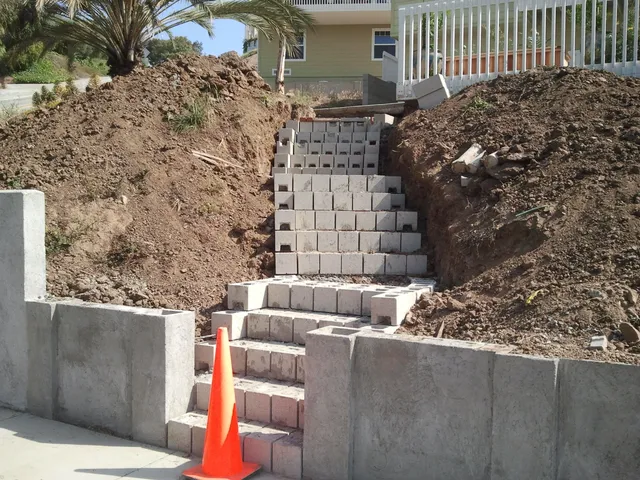
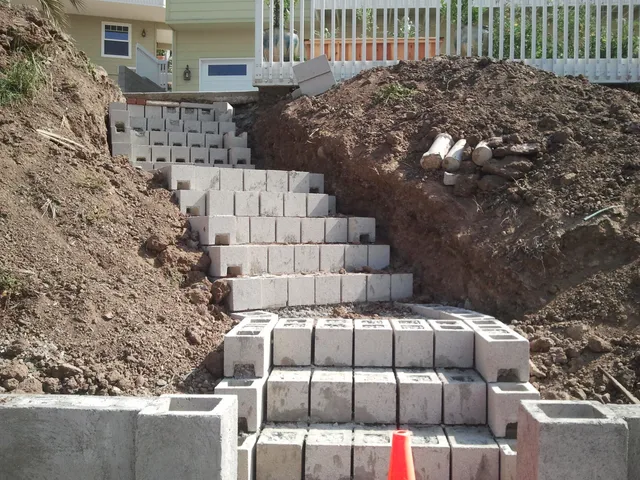
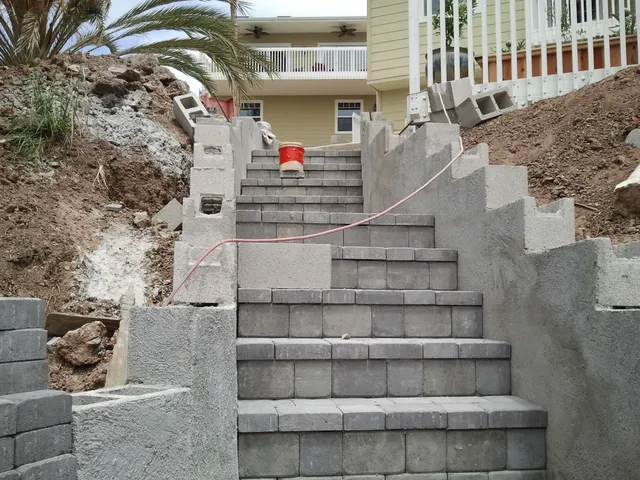
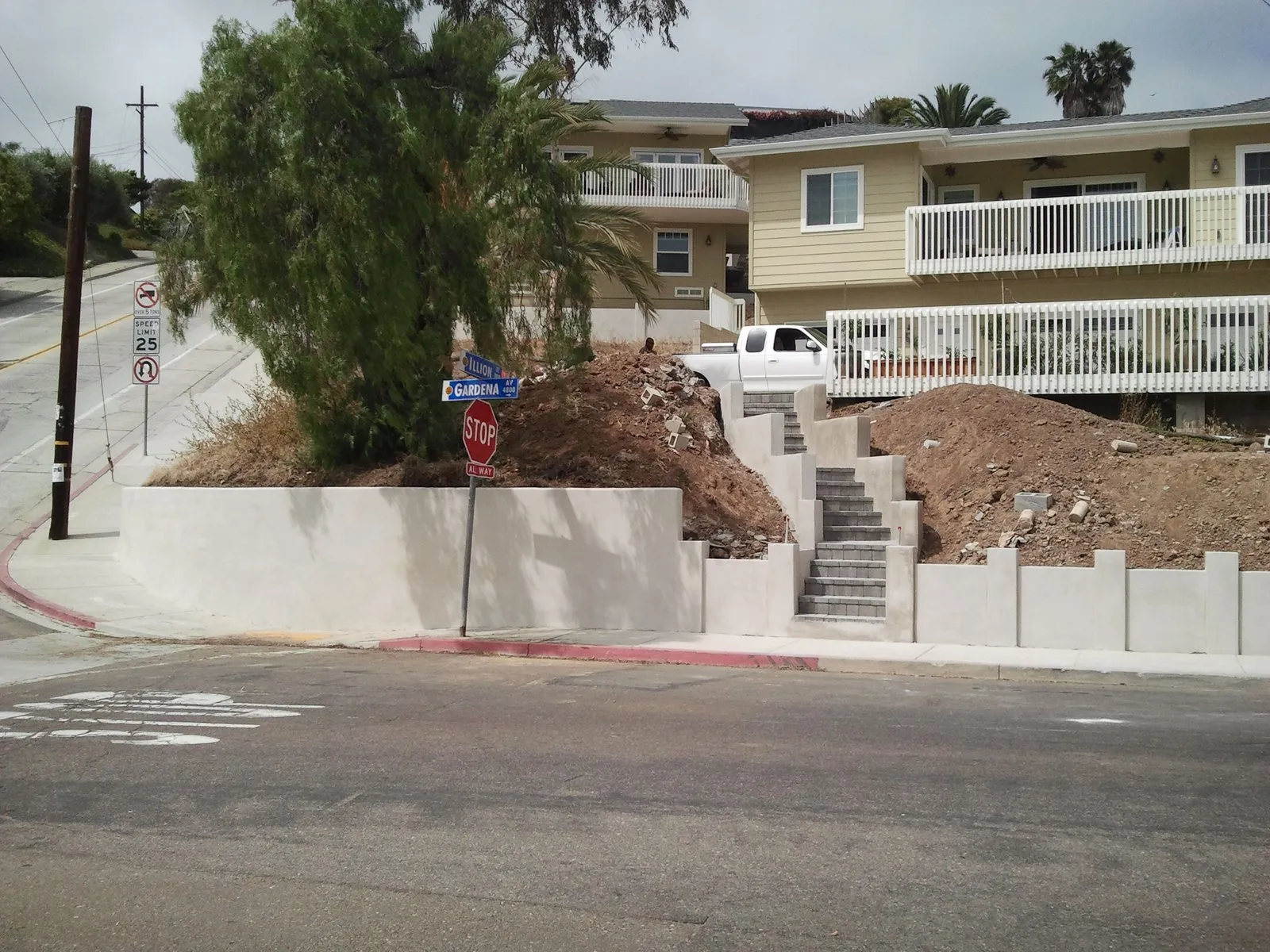
Finished stucco block retaining wall and paver stairway stepping up a corner lot at Gardena Avenue and Illion Street in San Diego’s Bay Park neighbourhood.

San Diego Masonry Contractor for Retaining Walls, Block Walls and Chimneys

Retaining walls, block walls, chimneys and pavers for City of San Diego homes, designed to the City’s own permit bulletins and built for canyon lots, coastal bluffs and the Rose Canyon fault. Licensed C-29 since 2012. Call for a free on-site estimate.

CSLB #979389 · C-29 Licensed · Bonded $25,000 · Free on-site estimates

San Diego by the numbers

A City of Old Homes, Steep Canyons and a Fault Under Downtown

The City of San Diego is home to about 1.42 million people (California Department of Finance, January 2026) and roughly 589,000 homes. Half of them — 49.8% — were built before 1980, and in the older neighbourhoods the share is far higher: four in five homes in ZIP 92106 (Point Loma) and 92119 (San Carlos) predate 1980. That is where most masonry calls start: block walls that were never grouted solid, chimneys from before modern seismic detailing, retaining walls with no drain behind them.

The City is also one of the most specific places in the county about how walls get built. Its Development Services Department publishes standard designs for retaining walls (IB 221) and fences (IB 222), a 3-foot permit trigger measured from the top of the footing (IB 220), coastal rules for Pacific Beach and Point Loma, and a historical review for homes 45 years and older. This page covers all of it — and the five neighbourhoods that used to have pages of their own. We’ve built here too: the photos on this page are from a stepped block wall and paver stair job in Bay Park.

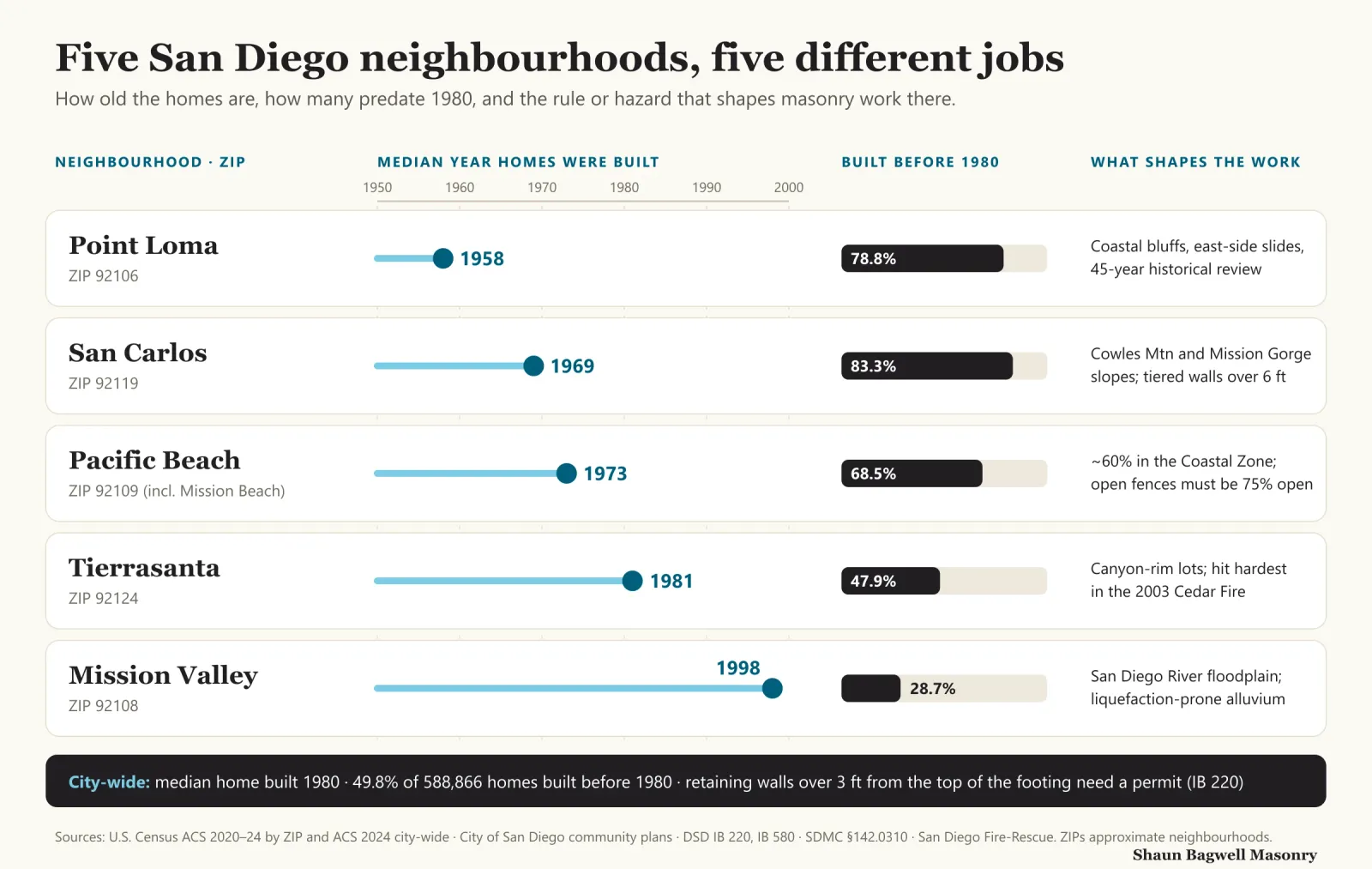
Infographic comparing five City of San Diego neighbourhoods by ZIP code. Point Loma, 92106: median home built 1958, 78.8% built before 1980; coastal bluffs, east-side landslides and 45-year historical review. San Carlos, 92119: 1969, 83.3%; Cowles Mountain and Mission Gorge slopes, tiered walls over 6 feet. Pacific Beach, 92109: 1973, 68.5%; about 60% in the Coastal Zone, open fences must be 75% open. Tierrasanta, 92124: 1981, 47.9%; canyon-rim lots, hit hardest in the 2003 Cedar Fire. Mission Valley, 92108: 1998, 28.7%; San Diego River floodplain and liquefaction-prone alluvium. City-wide: median home built 1980, 49.8% of 588,866 homes built before 1980, retaining walls over 3 feet from the top of the footing need a permit.
Same city, different jobs. Point Loma and San Carlos are mostly pre-1980 homes with original walls and chimneys; Mission Valley is the newest stock, but sits on river alluvium. ZIP codes approximate neighbourhood boundaries.Sources: Census ACS 2020–24 by ZIP; City community plans; DSD IB 220; SDMC §142.0310; San Diego Fire-Rescue.

Faults, Canyons, Bluffs and a River Floodplain

Six conditions decide how masonry has to be built inside San Diego city limits. Every one is documented by the City, the USGS or the National Park Service — and several rule out the City’s own standard wall designs, which is when engineering comes in.

Concrete block stair and stepped retaining walls rising up a cut slope between new block walls at the Bay Park job.

Seismic

The Rose Canyon fault runs through the city

The Rose Canyon fault comes ashore near La Jolla, runs along the east side of Mission Bay and under downtown; the USGS models an M6.9 scenario on it. The City’s standard wall and fence designs are drawn to Seismic Design Category D, with block that must be grouted solid and Grade 60 rebar. Standard designs can’t be used in a mapped fault zone at all — those walls are engineered. Every wall we build is reinforced and grouted, standard design or not.

Stepped block stair walls set into a clay hillside cut at the Bay Park job, with drain pipe staged on the slope.

Slopes · canyons

Old landslides and canyon lots

The City’s Seismic Safety Element calls old landslides and landslide-prone formations the principal non-seismic geologic hazard, naming the east side of Point Loma, Mount Soledad, Rose Canyon and Mission Gorge. IB 221’s standard retaining walls can’t be used on landslide-prone slopes, expansive soils or liquefaction areas, and tiered walls with a combined height over 6 feet need a permit. Canyon-edge lots in San Carlos and Tierrasanta usually mean an engineered wall with drainage behind it.

Paver stairway climbing between stepped, plastered block walls at the Bay Park job.

Coast

Bluffs, salt air and the Coastal Zone

About 60% of Pacific Beach lies in the coastal zone, and the Point Loma peninsula’s Cretaceous sandstone “erodes easily”, according to the National Park Service. Coastal rules change the work: open fences must be 75% open to light (35% elsewhere), and fences or walls between the sea and the first public road need a Coastal Development Permit. Within 50 feet of a bluff edge even improvements to existing structures lose their exemption. Near the water we use Type S mortar, keep steel well covered and seal on schedule.

Mission Valley

River alluvium and fill

Mission Valley is “part of the San Diego River floodplain”, and the City’s 2019 geotechnical evaluation says undocumented fill, young alluvium and young colluvium are “not considered suitable in their current state for support of improvements.” Settlement and liquefaction are listed hazards. That rules out the standard wall designs and usually means a soils report before footings, walls or heavy concrete go in.

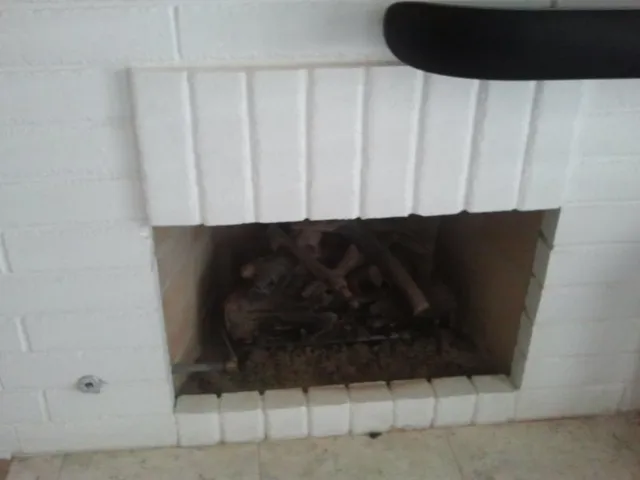
Older brick fireplace refinished in white with a rebuilt hearth course.

Housing age

Half the city predates 1980

With 49.8% of homes built before 1980 — and a 1958 median in Point Loma’s 92106, where one home in five predates 1940 — a lot of San Diego masonry is original. Any construction permit on a parcel with a structure 45 years or older triggers the City’s historical resource review (IB 580), typically about 10 business days. We plan chimney rebuilds and exterior brick work around it rather than discover it at the counter.

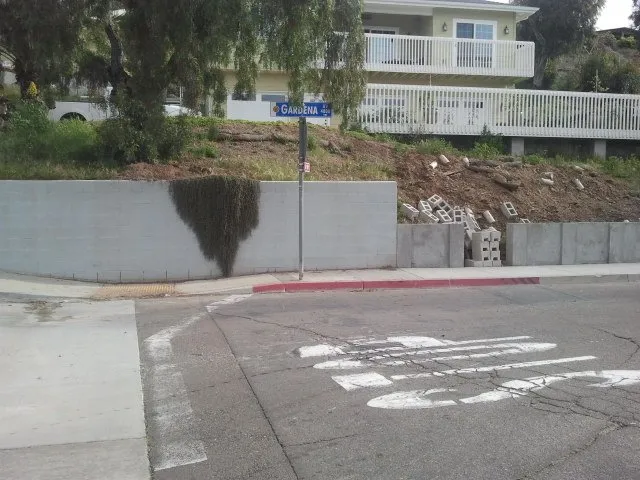
The Bay Park corner before the work: an old block wall with new block staged on the lot.

Fire

Canyon rims and the 2025 fire map

The City publishes the State Fire Marshal’s 2025 Fire Hazard Severity Zone map with a parcel viewer and brush-management buffers. Canyons are the risk: the City says Scripps Ranch and Tierrasanta were hardest hit in the 2003 Cedar Fire, which destroyed 335 structures in the city. Block, stone and pavers don’t burn, which makes masonry the natural choice for walls and hardscape near the house on a canyon rim. Zone status is per parcel; we check yours.

The City’s Rules, Bulletin by Bulletin

The City of San Diego publishes more specific wall rules than anywhere else in the county, and they use two different measurements. The building permit trigger is measured from the top of the footing: a retaining wall over 3 feet needs a permit, and so does any wall holding back a driveway, a fence, a footing or a slope steeper than 1.5:1 (IB 220). The zoning height limit is measured from finished grade on the low side and caps walls by yard (SDMC §142.0340). A wall can pass one test and fail the other — we design to both.

Fences and freestanding masonry walls under 7 feet need no building permit when they follow the City’s standard designs (IB 222), but solid fences on a front or street-side property line are capped at 3 feet. Driveways, curb cuts and sidewalk aprons are right-of-way work and need a Public Right-of-Way permit; a city-standard residential driveway qualifies for Rapid Review (IB 165). In the Coastal Overlay Zone the rules tighten, and for sites inside the Coastal Commission’s retained jurisdiction the Commission — not the City — issues the coastal permit.

One change to know about: side and rear fences may now reach 9 feet with anything above 6 feet open (Ordinance O-22109, effective 15 July 2026) — but not yet in the Coastal Overlay Zone, where it waits on Coastal Commission certification. If you’re in Pacific Beach or coastal Point Loma, plan on the older limits.

City of San Diego issues

  • Building, grading and right-of-way permits (DSD)
  • Most coastal permits in Pacific Beach and Point Loma
  • Historical review for homes 45+ years old

Coastal Commission issues instead

  • Sites in its retained permit jurisdiction
  • Deferred Certification Areas
Retaining wall — building permit
Over 3 ft from top of footing
Also any surcharge, backfill steeper than 1.5:1, or tiered walls over 6 ft combined.IB 220
Retaining wall — zoning height
2 × 3 ft front · 2 × 6 ft side/rear
Up to 12 ft outside required yards; tiers separated by at least the upper wall’s height.SDMC §142.0340
Standard wall designs
Up to 6 ft
Not on expansive soils, landslide, liquefaction, fault or bluff areas. Over 5 ft may need a grading permit.IB 221
Fence or freestanding wall
Under 7 ft — no building permit
Solid fences on a front property line max 3 ft. Open fences 75% open in the Coastal Overlay Zone.IB 222 · §142.0310
Driveway or curb cut
Public Right-of-Way permit
City-standard residential driveways qualify for Rapid Review.IB 165
Home 45+ years old
Historical resource review
Triggered by any construction permit on the parcel.IB 580

Masonry Work We Do in San Diego

Built to the City’s standard designs where they apply and engineered where they don’t — and quoted in writing after a site visit.

Retaining walls

IB 221 standard walls up to 6 feet, engineered walls beyond that or on canyon, bluff and alluvial lots, and tiered walls laid out to the City’s separation rule. Grouted solid, with gravel and a perforated drain behind every one.

Brick, block and stone repair

Repointing in matched mortar, cracked block and brick replaced, stone veneer and garden walls rebuilt — Type S mortar and sealing near the coast, where salt air works into joints.

Concrete

Footings, slabs, walkways and driveways with the right base, steel and joints. Driveway aprons and curb cuts in the public right-of-way need the City’s Right-of-Way permit (IB 165).

Stone veneer and entry columns

Natural and manufactured stone on walls, house fronts and entry pillars over a drained, properly lathed backing, matched to the existing stone on older homes where needed.

Not sure which of these your property needs? Shaun will look at it with you — free, on site, no obligation.

(619) 581-2492

What Masonry Costs in San Diego

These are the 2026 ranges we quote across San Diego County. Inside the City, the biggest swing is whether a wall fits IB 221’s standard designs or needs engineering, a soils report and — near the coast — a Coastal Development Permit.

What Masonry Costs in San Diego
ProjectTypical 2026 range
Retaining wall, CMU block, under 4 ft$35–$55 per sq. face ft.
Retaining wall, engineered, 4–8 ft$45–$120 per sq. face ft.
Natural stone retaining wall$80–$250 per sq. face ft.
Block wall, CMU with stucco or veneer$250–$400 per linear ft.
Patio or pavers$18–$40 per sq. ft.
Masonry chimney repair$1,500–$8,000+ by scope

Ranges are for comparison, not a quote. Engineering, soils reports, City permit and right-of-way fees, and any Coastal Development Permit are priced separately and shown on the proposal.

Masonry in Point Loma, Pacific Beach, Mission Valley, San Carlos and Tierrasanta

These five neighbourhoods each had a page on our old site. They’re here now, with the housing figures and rules that actually set them apart. Figures are by ZIP code (Census ACS 2020–24), which approximates the neighbourhood.

Point LomaZIP 92106

  • Median home built 1958
  • 78.8% built before 1980
  • 20.8% built before 1940

The oldest housing of the five, on a peninsula of Cretaceous sandstone the National Park Service says “erodes easily”. The City lists the east side of Point Loma as a historic landslide area and the bluffs from the Ocean Beach Pier to the tip as coastal bluff, so bluff-top lots lose the usual exemptions within 50 feet of the edge. Expect period brick and chimney work, IB 580 historical review, hillside view-lot retaining walls and coastal fence rules. Ocean Beach and Point Loma Heights (92107, median 1963) are much the same story.

Pacific BeachZIP 92109

  • Median home built 1973
  • 68.5% built before 1980
  • ~60% in the Coastal Zone

About 60% of PB is in the coastal zone; west of Ocean Boulevard is a Sensitive Coastal Resource area, and bluffs north of Diamond Street carry a moderate risk rating in the community plan. The plan also notes relatively high liquefaction potential in places and a Rose Canyon fault trace paralleling I-5, rated high risk. Open fences must be 75% open, and walls seaward of the first public road need a Coastal Development Permit. Hillside lots on the Soledad Mountain side are under the Hillside Review overlay.

Mission ValleyZIP 92108

  • Median home built 1998
  • 26.5% built 2010 or later
  • 28.1% owner-occupied

The newest homes of the five — and the most condos: only 28.1% of homes are owner-occupied, so much of the work is HOA block walls, pool decks and pavers. The ground is the issue: the valley is San Diego River floodplain, and the City’s geotechnical evaluation calls its fill and young alluvium unsuitable for improvements as-is, with liquefaction listed as a hazard. Around Snapdragon Stadium and the SDSU Mission Valley river park, walls and footings get a soils report first.

San CarlosZIP 92119

  • Median home built 1969
  • 83.3% built before 1980
  • 68.8% owner-occupied

Part of the Navajo planning area, built out after annexations in 1948–1954, with nearly half its homes from the 1960s and the highest owner-occupancy of the five. Lots climb toward Cowles Mountain — the highest point in the city at 1,591 feet — and Mission Gorge, a historic landslide area. That means original 1960s block walls and fireplaces due for repair, and tiered retaining walls laid out to the City’s 6-foot combined-height rule.

TierrasantaZIP 92124

  • Median home built 1981
  • 40% built in the 1970s
  • Mission Trails ≈ half the planning area

Mission Trails Regional Park makes up about half of Tierrasanta’s planning area, and canyons run through the community — the City says Tierrasanta was among the hardest hit in the 2003 Cedar Fire. Canyon-rim lots call for retaining walls and noncombustible walls and hardscape near the house. Part of the community sits on the former Camp Elliott; if anything that looks like ordnance turns up while digging, the park’s guidance is not to touch it, mark it and call 911, and our crews follow it.

Bay Park & Clairemont

Where the photos on this page come from: a corner lot at Gardena Avenue and Illion Street, rebuilt with stepped, plastered block retaining walls and a paver stairway. Hillside streets above Mission Bay mean the same 3-foot permit trigger and tiered-wall rules.

Del Cerro & Allied Gardens

Next door to San Carlos in the Navajo planning area (ZIP 92120, median home built 1973). Canyon and Lake Murray–side slopes, original mid-century block walls, and the same City rules.

San Diego Masonry Questions

Straight answers to what San Diego homeowners ask before they hire. Anything else — call, and Shaun answers it himself.

(619) 581-2492

Do I need a permit for a retaining wall in San Diego?

In the City of San Diego, yes if the wall is over 3 feet measured from the top of the footing — and at any height if it holds back a driveway, fence, footing or a slope steeper than 1.5:1, or if tiered walls total more than 6 feet (DSD Information Bulletin 220). Walls up to 6 feet can often use the City’s standard designs (IB 221); taller walls, or walls on expansive soils, fault, landslide, liquefaction or bluff areas, need engineering.

How tall can a block wall or fence be in San Diego?

Fences and freestanding walls under 7 feet need no building permit when built to IB 222. Zoning sets the height: solid fences on a front or street-side property line are capped at 3 feet; side and rear fences may go to 9 feet with anything over 6 feet open (O-22109, effective 15 July 2026) — except in the Coastal Overlay Zone until the Coastal Commission certifies it.

Do I need a permit to widen my driveway or cut a curb?

Yes. Driveways, curb cuts and sidewalk work in the public right-of-way need a Public Right-of-Way permit from the City. A city-standard residential driveway qualifies for Rapid Review; non-standard driveways need full plans (IB 165).

Do I need a coastal permit for a wall in Pacific Beach or Point Loma?

Possibly. Fences and retaining walls between the sea and the first public road need a Coastal Development Permit, and work within 50 feet of a coastal bluff edge isn’t exempt even on an existing structure (SDMC §126.0704). In the Coastal Overlay Zone open fences must also be 75% open to light. On sites in the Coastal Commission’s retained jurisdiction, the Commission issues the permit, not the City.

My home is over 45 years old. Does that affect masonry work?

It can. Any construction permit on a parcel with a structure 45 years or older triggers the City’s potential historical resource review (IB 580), usually around 10 business days. It’s common in Point Loma and San Carlos, where most homes predate 1980 — we build it into the schedule.

Is my old chimney safe in an earthquake?

Unreinforced masonry chimneys are the part of an older house most likely to fail in a quake, and the Rose Canyon fault runs through the city — the USGS models an M6.9 scenario on it. If your chimney predates current reinforcement and roof-line anchorage, have it inspected; a rebuild above the roofline to current code is often the right fix.

Can you build retaining walls on canyon lots in Tierrasanta or San Carlos?

Yes — it’s much of the work there. Canyon edges usually rule out the City’s standard wall designs, so the wall is engineered, tiered walls are spaced to the City’s rules, and drainage goes behind every wall. Near Mission Trails and the former Camp Elliott, crews follow the park’s ordnance guidance if anything unusual turns up.

How much does a retaining wall cost in San Diego?

Most CMU retaining walls run $35–$120 per square foot of face in 2026, depending on height and engineering; natural stone runs $80–$250. The biggest swing in the City is whether the wall fits a standard IB 221 design or needs engineering, a soils report or a coastal permit. You get an itemised written proposal after a free site visit.

How do I check that you’re licensed?

Shaun Bagwell Masonry holds California C-29 Masonry licence #979389, issued 14 December 2012, with a $25,000 contractor bond. Look it up at cslb.ca.gov → “Check a License” — we’d rather you verified it than took our word for it.

Sources for the figures on this page

  1. California Department of Finance, E-1 population estimates (1 Jan 2026)
  2. U.S. Census Bureau ACS 2024 1-year, City of San Diego, tables B25034/B25035/B25003
  3. U.S. Census Bureau ACS 2020–2024 5-year by ZIP (92106, 92107, 92108, 92109, 92119, 92120, 92124)
  4. NOAA NCEI 1991–2020 normals, San Diego Lindbergh Field (USW00023188)
  5. City of San Diego DSD Information Bulletin 220 — Retaining walls (Oct 2024)
  6. City of San Diego DSD Information Bulletin 221 — Standard retaining walls (Dec 2023)
  7. City of San Diego DSD Information Bulletin 222 — Standard fences (Dec 2023)
  8. City of San Diego DSD Information Bulletin 165 — Public right-of-way permits (Dec 2025)
  9. City of San Diego DSD Information Bulletin 580 — Potential historical resource review
  10. San Diego Municipal Code Ch. 14 Art. 2 Div. 3 — Fence and retaining wall regulations (§142.0305–142.0380)
  11. San Diego Municipal Code §126.0704 — Coastal Development Permit exemptions
  12. USGS — M6.9 Rose Canyon fault scenario
  13. City of San Diego General Plan — Seismic Safety Element
  14. City of San Diego Fire-Rescue — Fire Hazard Severity Zones (2025 map)
  15. City of San Diego Fire-Rescue — 2003 Cedar Fire
  16. Pacific Beach Community Plan & Local Coastal Program — Planning Context
  17. City of San Diego — Peninsula (Point Loma) Community Plan
  18. National Park Service — Cabrillo National Monument geology field guide
  19. City of San Diego — Mission Valley Community Plan (2019)
  20. Mission Valley Community Plan Update — desktop geotechnical evaluation (2019)
  21. SDSU Mission Valley — FAQ (Snapdragon Stadium, River Park)
  22. City of San Diego — Navajo Community Plan (2025)
  23. City of San Diego — Mission Trails Regional Park
  24. City of San Diego — Tierrasanta Community Plan
  25. Mission Trails Regional Park — Unexploded ordnance guidance
  26. CSLB — Check a License (#979389)

Get Your San Diego Wall, Chimney or Patio Priced

Call Shaun at (619) 581-2492 or send the form. He’ll look at the lot, tell you which City bulletins and permits apply, and put a written, itemised price in your hands.

(619) 581-2492

Call Now(619) 581-2492Estimate